
A Guide to Wildflowers in Aspen
Summer brings a burst of color to Aspen, stretching from the valley floor to the high country.
Explore our local wildflower guide, and see how many varieties you can spot next time you’re on the trails.

Karin Teague, Executive Director of the Independence Pass Foundation, is a nature writer and photographer whose publications include the weekly Aspen Times/Daily News wildflower column, “In Bloom,” and the Field Guide to the Wildflowers of Independence Pass. Below, Karin answers common questions and identifies flowers that can be spotted throughout the Aspen area and surrounding mountains.

When is wildflower season in Aspen?
Historically, wildflower season in Aspen has begun in May and continued through early September. In a low snow and drought year like 2026, however, that time line moves up a month.

How does elevation affect wildflower bloom times?
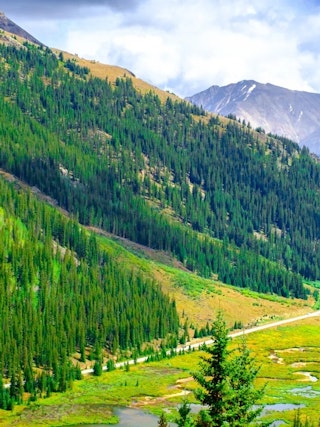
The first flowers bloom on the valley floor and at lower montane elevations. Counterintuitively, alpine flowers on wind-scoured peaks and ridges follow, with the latest flowers blooming in subalpine forests, which hold snow the longest, as well as late snowmelt areas.

What are some of the best wildflower hikes near Aspen?
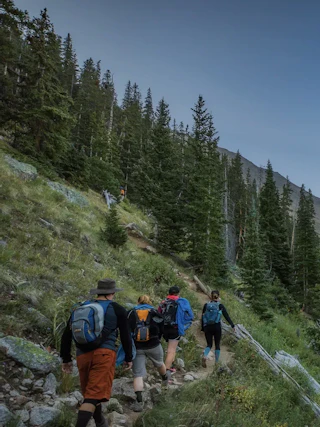
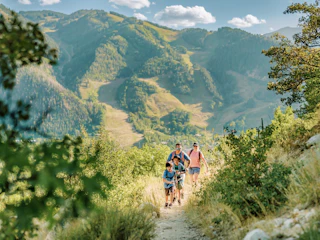
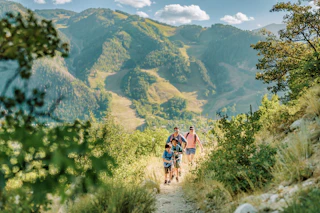
In May and early-June, the Sunnyside Trail and Hunter Creek; in mid-June to early-July, alpine hikes like the summit of Independence Pass and Cathedral Lake/Electric Pass; in July and August, the West Maroon Trail and the Lost Man loop.

How can I help protect Aspen’s wildflowers?
Stay on marked trails, leave the wildflowers as you found them (only take photos), and sign the Aspen Pledge. For every pledge signed, ACRA will donate $18.80 on your behalf to one of two local conservation organizations: the Independence Pass Foundation or Roaring Fork Outdoor Volunteers.
10 Wildflowers of Independence Pass

Pasque flower, Pulsatilla patens
One of the first flowers to bloom in the spring, pasque flowers are covered in a silvery coat of hairs that protects them from late frosts, wind, and cold. After flowering, they produce a large, Doctor Seuss-like plume of hairs to carry their seeds away.

Fairy slipper orchid, Calypso bulbosa
One of Colorado’s most colorful orchids, the fairy slipper is found in late spring in evergreen forests. It depends on underground fungi for nutrients and for its tiny seeds to grow.

Old Man of the Mountain, Hymenoxis grandiflora
With one of the largest flower heads of any alpine plant, old man of the mountain can be found on the highest peaks, turning its head to the sun. Old man is a monocarpic plant, meaning it stores up nutrients through its leaves and roots for a dozen or so years before blooming once, then dying.

Silvery lupine, Lupinus argenteus
Silvery lupine lights up trails in early summer with its multitude of fragrant, purple flowers that are a favorite of pollinators. Like all plants in the pea family, it also help enrich the soil through its roots’ relationship with nitrogen-fixing bacteria.

Parry’s primrose, Primula parryi
A flower you may smell before you see it, the brilliant-magenta Parry’s primrose can be found lining streams and in wet meadows in early-to-mid summer. Its fragrance, beloved by some and abhorred by others, turns less sweet and more cloying with age.

Colorado columbine, Aquilegia coerulea
Found all summer in aspen groves, subalpine meadows, and rocky, alpine outcrops alike, our state flower is elegant, complex, adaptable, and tough all at the same time. Just like Coloradans!

Fireweed, Chamaenerion angustifolium
The emergence of fireweed marks the midpoint of the summer’s wildflower show. Lining roads and meadows where avalanche, fire, and other disturbances have taken place, this tall, magenta beauty helps restore the soil and pave the way for other wildflowers to grow.

Western yellow paintbrush, Castilleja occidentalis
Western yellow paintbrush is found on moist slopes in the high country, often in the company of different species of paintbrush, like rosy and red paintbrush. Its creamy-yellow “flowers” aren’t actually flowers: they’re modified leaves called bracts, imitating flowers, while its true flowers are tiny, tubular, and green, hiding within its bracts.

Queen’s crown, Rhodiola rhodantha
The queen of late-summer subalpine and alpine wet meadows and streams, this rose-colored beauty attracts numerous pollinators like bumblebees and has succulent leaves for storing water. Its cousin, king’s crown, has flatter, darker-maroon flower heads and can grow in dryer soil.

Arctic gentian, Gentiana algida
Unlike most of our ten species of gentians, the arctic gentian is white, rather than purple, with delicate green and purple spotting and striping. It is one of the last plants to bloom high in the mountains: so be sure not to miss it!